How Crypto Is Reshaping the Way People Invest Globally
From tokenized assets to borderless transactions, digital assets are redefining what it means to participate in global markets.
Binance
You're reading Entrepreneur United Kingdom, an international franchise of Entrepreneur Media.
Crypto assets have moved well beyond their early reputation as tech novelties. They are now a maturing type of digital instrument that represents anything from decentralized currencies to tokenized real-world assets. As investors engage with this growing market across international borders, how they access and participate does matter. That is why it’s so important to understand concepts like reverse solicitation, which is a special situation where a client initiates contact with a financial service provider independently, without being marketed to first.
What Crypto Assets Actually Include
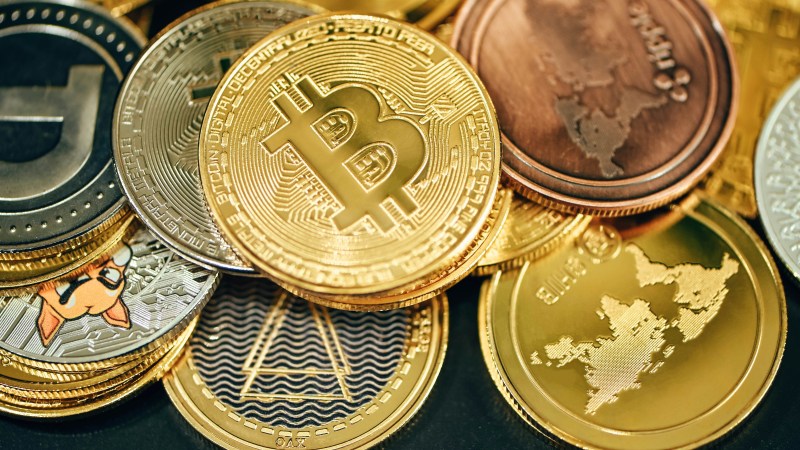
The term “crypto asset” covers a wide range of digital instruments, each with its own distinct characteristics. Cryptocurrencies like Bitcoin and Ethereum function as a medium of exchange or a store of value. Similarly, stablecoins represent value, but they are pegged to the price of a fiat currency, offering less volatility than cryptocurrencies. Utility tokens grant holders access to specific products or services within a blockchain ecosystem. Security tokens represent ownership stakes in real-world assets such as equity or real estate. Lastly, NFTs, or non-fungible tokens, are unique digital records that verify ownership of a specific item or piece of content.
All of these assets operate on blockchain networks, which are distributed ledgers that record transactions across thousands of nodes simultaneously. Users interact with them through digital wallets, which are secured by public and private keys. No single authority controls these networks, which is the main source of their appeal for many.
Why Crypto Assets Continue to Attract Attention
Crypto assets have consistently attracted institutional and retail interest because they introduce capabilities that traditional finance has struggled to replicate at scale. Smart contracts enable self-executing agreements without intermediaries, reducing costs and settlement times. Decentralized finance (DeFi) platforms allow users to borrow, lend, and earn yield directly on-chain. Tokenization is enabling fractional ownership of illiquid assets, such as commercial real estate or fine art, making them accessible to more investors.
Institutional participation has also grown significantly. Major financial institutions now offer crypto-related products and crypto-based ETFs, which have become a popular way to gain exposure to digital assets within regulated, familiar structures. These funds have lowered the barrier for investors who want some of their portfolio dedicated to the crypto markets without having to manage any private keys or own assets directly.
Benefits and Risks Worth Knowing
Like any asset, crypto comes with a good mix of upsides and downsides. As for the benefits, it’s highly accessible, since crypto markets operate 24/7 and are open to global participants. Additionally, the blockchain provides a unique level of transparency, since records are publicly verifiable, making transaction histories auditable in ways that closed financial systems are typically not.
For those who frequently send money to individuals in other countries, the settlement speed is a huge plus. Transactions that might take days to settle in traditional banking can clear on blockchain networks in just seconds or minutes. As for investors, crypto assets have historically shown low correlation with equities during certain market periods, suggesting they may offer value as a diversification tool.
When it comes to risks, price volatility is one of the most obvious ones. It’s still a significant concern, even with major cryptocurrencies, which can sometimes experience major price swings in a short period of time. The cybersecurity risks are also real, as exchange hacks, phishing attacks, and compromised wallets have collectively cost investors a lot of money in the past decade. Since these markets are not centrally regulated, fraud and scams continue to be a concern.
Cross-Border Investing and What Investors Should Know
One of the defining features of crypto markets is their global, borderless nature. Anyone with an internet connection could theoretically access exchange websites and purchase assets. But that level of accessibility raises important questions about how investors engage with foreign financial service providers.
When an investor reaches out to a foreign firm on their own, without prior marketing or outreach from that firm, this may be considered reverse solicitation. This is an important concept because it can affect which regulatory protections apply and whether a provider is operating in compliance with local rules. Investors in this position should document their own contacts clearly and seek appropriate legal or financial guidance.
International crypto investing also has tax implications that vary by country. The platforms may also require different licensing depending on their jurisdiction. Using regulated platforms where they’re legal reduces potential custody and counterparty risk.
Where Crypto Assets Could Head
In the future, institutional participation will likely continue to grow as regulated funds and reporting tools become more sophisticated. Even tokenization of real-world assets is quickly growing, with bonds, private equity funds, and real estate increasingly being represented on the chain. It’s possible that central bank digital currencies (CBDCs) are being actively developed in dozens of countries, demonstrating just how much impact crypto has had on the world.
Crypto assets have shown time and time again that they are not going away anytime soon. The question for most participants now is how to engage with the diligence and knowledge that this quickly changing industry demands.
Investing involves risk and your investment may lose value. Past performance gives no indication of future results. These statements do not constitute and cannot replace investment advice.
Crypto assets have moved well beyond their early reputation as tech novelties. They are now a maturing type of digital instrument that represents anything from decentralized currencies to tokenized real-world assets. As investors engage with this growing market across international borders, how they access and participate does matter. That is why it’s so important to understand concepts like reverse solicitation, which is a special situation where a client initiates contact with a financial service provider independently, without being marketed to first.
What Crypto Assets Actually Include
The term “crypto asset” covers a wide range of digital instruments, each with its own distinct characteristics. Cryptocurrencies like Bitcoin and Ethereum function as a medium of exchange or a store of value. Similarly, stablecoins represent value, but they are pegged to the price of a fiat currency, offering less volatility than cryptocurrencies. Utility tokens grant holders access to specific products or services within a blockchain ecosystem. Security tokens represent ownership stakes in real-world assets such as equity or real estate. Lastly, NFTs, or non-fungible tokens, are unique digital records that verify ownership of a specific item or piece of content.
Entrepreneur UK
Entrepreneur Staff