Why I Backed Luxury Hospitality When Everyone Else Was Pulling Out
Why investing in hospitality during crisis created long-term growth and opportunity.
The Wild Group
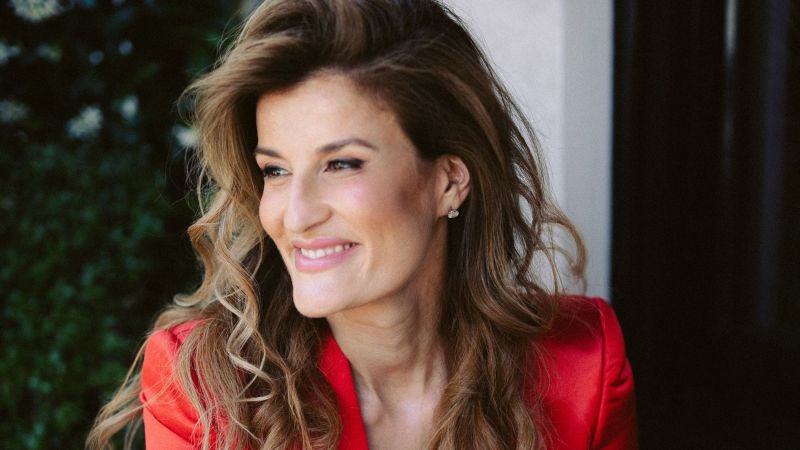
Elmira Amdiy is an investor, entrepreneur and hospitality operator. She co-built The Wild Group into an eight-figure London hospitality business
Opinions expressed by Entrepreneur contributors are their own.
You're reading Entrepreneur United Kingdom, an international franchise of Entrepreneur Media.
When I got involved with Wild Tavern back in 2020, we were in the middle of a global pandemic. Hospitality was facing one of the most challenging periods in its history and many investors were actively looking for ways to reduce their exposure to the sector. It was difficult to argue with the headlines. Restaurants were closed for extended periods, streets sat empty, revenue streams stalled, there was a real sense of fear, and operators were navigating an unprecedented level of uncertainty. In April 2020, around 1.6m hospitality workers were on furlough in the UK, while between January 2020 and January 2021, the number of hospitality businesses fell by around 10%. For many operators, despite being unable to trade normally, costs such as rent, utilities, insurance, supplier commitments, maintenance and overheads continued to accrue. Across the industry, conversations had shifted away from growth and expansion towards preserving cash, supporting teams and simply trying to stay afloat. Given those conditions, I completely understood the scepticism. Nobody knew how long restrictions would last, what further measures might be introduced or how quickly normal life would return. What interested me was not whether the next six months would be difficult, that much was obvious, but whether the long-term outlook for the sector had genuinely changed. I wasn’t convinced that it had.
My background is in investment banking, having spent years in sales and trading at Barclays Capital, Nomura and UBS. One of the most valuable lessons I took from that world is that markets are cyclical. They move up and down, often very quickly, and periods of uncertainty can create opportunities if you are willing to take a long-term view. Investing during those periods is never risk-free, but the best opportunities rarely emerge when confidence is at its highest. For me, it was a calculated risk based on experience, analysis and instinct. When I looked at restaurants in 2020, I saw a sector under enormous pressure, but I also saw something people had been deprived of for months. Restaurants provide warmth, atmosphere, social connection and experiences that are difficult to replicate elsewhere. People had missed birthdays, anniversaries, celebrations and time with family and friends. Nobody knew exactly when recovery would come, but I felt strongly that when people were able to return, many would do so enthusiastically. We saw that play out across the wider leisure and travel sectors as restrictions lifted, with demand returning far faster than many had predicted.
The sector was not unfamiliar territory to me either. Alongside my finance career, I had already been involved with Hostellerie La Farandole, a luxury hotel and waterfront restaurant business on the Côte d’Azur. That experience taught me that while restaurants can be financially demanding and operationally complex, the best businesses create a level of loyalty that is difficult to replicate. People may compare prices, but they return because they trust the quality, enjoy the atmosphere and know what to expect. That was the context behind my decision to become involved with Wild Tavern. Many people looked at the wider market and saw risk. I looked at the business itself. Was there genuine customer demand? Could the foundations support growth? Most importantly, were the people behind it capable of building something much larger than what existed at that moment? In my experience, successful investments are rarely built on concepts alone. Concepts evolve, menus change and markets move, but what matters most is the quality of the people running the business day to day. What convinced me about Wild Tavern was not only the restaurant itself, but George Bukhov-Weinstein and Ilya Demichev, who I had also known for many years. They cared deeply about every aspect of what guests experienced and understood that restaurants are often won or lost on details. The food matters, of course, but so does the atmosphere, the service, the welcome people receive when they walk through the door and the consistency of the experience from one visit to the next. Those things are difficult to measure on a spreadsheet, yet they are often what separates good businesses from great ones.
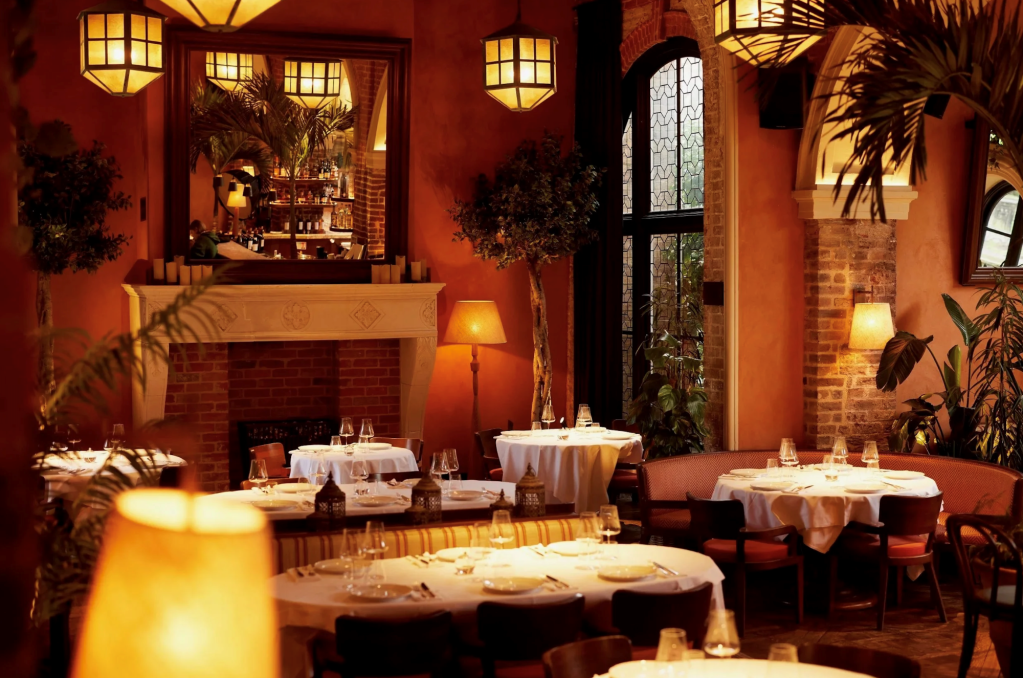
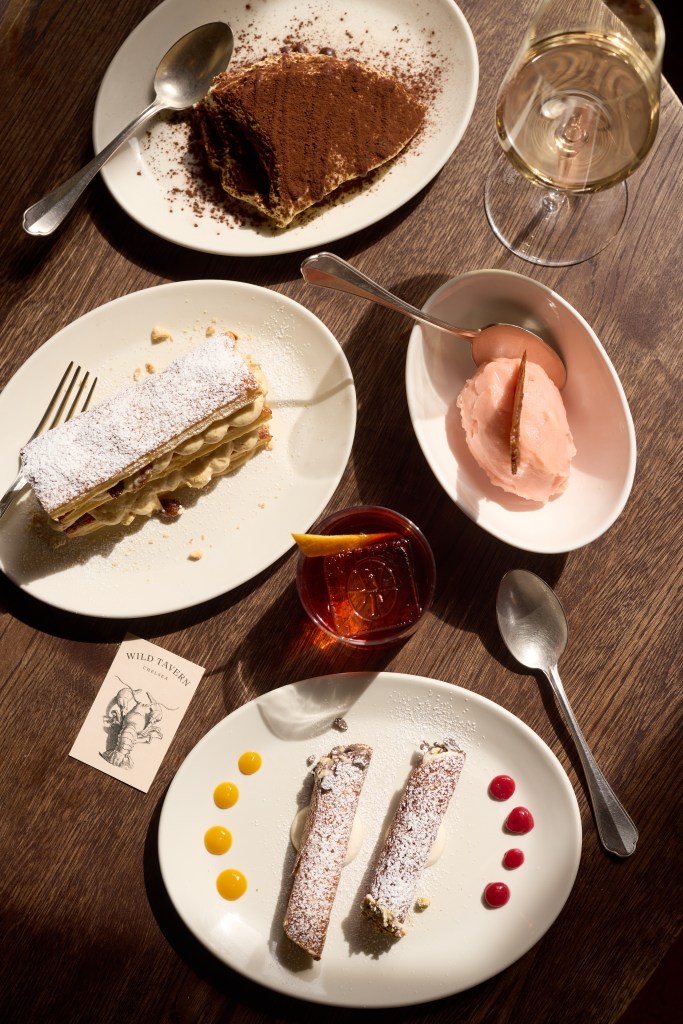
Making the investment was probably the easiest part. Building the business afterwards was considerably harder. Restaurants rarely succeed because of one big decision. More often, success comes from hundreds of small details being executed consistently over time. One of the things people often underestimate about restaurants is that guests experience every part of the business simultaneously. They experience the food, the service, the atmosphere, the pricing and the quality of execution in a single sitting. If one element falls short, people notice. That is why consistency matters so much. Guests do not experience strategy documents or growth plans. They experience whether they are welcomed properly, whether standards remain high on a busy Friday evening and whether the overall experience feels worth returning for. That focus on consistency has shaped how we have approached growth. Today, The Wild Group now includes Wild Tavern, Wild Corner, Wild Notting Hill, Wild Izakaya, Chelsea Grill, Belvedere and Pinna Mayfair, with Krokodilos in Kensington currently being redeveloped into a new grill concept later this year. It generates an 8-figure turnover across the seven venues and employs more than 300 people in London, with Wild Tavern tripling its turnover. While these figures are encouraging, I am most proud of what they represent: strong teams, loyal customers, disciplined execution and a culture that values quality and consistency over shortcuts.
The market today looks very different to the one we were operating in during 2020. Demand has returned, people are travelling, dining out and prioritising experiences again, and there remains a strong appetite for quality hospitality. At the same time, guests are more informed, more selective and increasingly thoughtful about where they spend their time and money. What has changed most is not necessarily people’s willingness to spend, but what they expect in return. At the premium end of the market, simply being expensive is no longer enough. People are looking for places that feel special, whether that comes from exceptional food, outstanding service, a unique atmosphere or simply a feeling that every detail has been considered. It rewards businesses that focus on quality and consistency, which are exactly the things that create long-term value. That same thinking continues to guide our decisions today. We continue to explore opportunities in both the UK and internationally, including America, but we are equally focused on strengthening the businesses we already have. Our redevelopment of Krokodilos in Kensington into a new grill concept is a good example of that approach. Sometimes growth comes from opening something new, but often it comes from recognising untapped potential in an existing asset and having the patience to develop it properly.
Looking back, one of the most valuable lessons I have learned as an investor, entrepreneur and business owner is that confidence rarely comes from having all the answers. More often, it comes from understanding the numbers. Understanding revenue, margins, cash flow and profitability gives you options because you are making decisions based on facts rather than assumptions. Strong instincts and creative ideas matter, but understanding how a business works gives you the confidence to trust those instincts and act on them. I would also encourage people not to wait until they feel completely ready. There is rarely a moment where every light turns green and every uncertainty disappears. Whether you are making an investment, launching a business or stepping into a leadership role, there will always be unknowns. At some point, you have to make a decision based on the information available to you and trust yourself to navigate what comes next.
The other lesson is that leadership is not about being liked by everyone. It is about being clear, fair, consistent and willing to take responsibility when things do not go to plan. You can be empathetic without avoiding difficult decisions, just as you can be ambitious without compromising your standards. Five years on, the industry continues to face new challenges, but the fundamentals that attracted me to the sector in the first place remain unchanged. People still value quality, atmosphere, connection and memorable experiences. Trends come and go, markets rise and fall, but businesses that understand what their customers value and deliver it consistently will always have an opportunity to succeed. That was the conviction behind the investment then, and it remains the conviction behind the business today.
When I got involved with Wild Tavern back in 2020, we were in the middle of a global pandemic. Hospitality was facing one of the most challenging periods in its history and many investors were actively looking for ways to reduce their exposure to the sector. It was difficult to argue with the headlines. Restaurants were closed for extended periods, streets sat empty, revenue streams stalled, there was a real sense of fear, and operators were navigating an unprecedented level of uncertainty. In April 2020, around 1.6m hospitality workers were on furlough in the UK, while between January 2020 and January 2021, the number of hospitality businesses fell by around 10%. For many operators, despite being unable to trade normally, costs such as rent, utilities, insurance, supplier commitments, maintenance and overheads continued to accrue. Across the industry, conversations had shifted away from growth and expansion towards preserving cash, supporting teams and simply trying to stay afloat. Given those conditions, I completely understood the scepticism. Nobody knew how long restrictions would last, what further measures might be introduced or how quickly normal life would return. What interested me was not whether the next six months would be difficult, that much was obvious, but whether the long-term outlook for the sector had genuinely changed. I wasn’t convinced that it had.
My background is in investment banking, having spent years in sales and trading at Barclays Capital, Nomura and UBS. One of the most valuable lessons I took from that world is that markets are cyclical. They move up and down, often very quickly, and periods of uncertainty can create opportunities if you are willing to take a long-term view. Investing during those periods is never risk-free, but the best opportunities rarely emerge when confidence is at its highest. For me, it was a calculated risk based on experience, analysis and instinct. When I looked at restaurants in 2020, I saw a sector under enormous pressure, but I also saw something people had been deprived of for months. Restaurants provide warmth, atmosphere, social connection and experiences that are difficult to replicate elsewhere. People had missed birthdays, anniversaries, celebrations and time with family and friends. Nobody knew exactly when recovery would come, but I felt strongly that when people were able to return, many would do so enthusiastically. We saw that play out across the wider leisure and travel sectors as restrictions lifted, with demand returning far faster than many had predicted.
The sector was not unfamiliar territory to me either. Alongside my finance career, I had already been involved with Hostellerie La Farandole, a luxury hotel and waterfront restaurant business on the Côte d’Azur. That experience taught me that while restaurants can be financially demanding and operationally complex, the best businesses create a level of loyalty that is difficult to replicate. People may compare prices, but they return because they trust the quality, enjoy the atmosphere and know what to expect. That was the context behind my decision to become involved with Wild Tavern. Many people looked at the wider market and saw risk. I looked at the business itself. Was there genuine customer demand? Could the foundations support growth? Most importantly, were the people behind it capable of building something much larger than what existed at that moment? In my experience, successful investments are rarely built on concepts alone. Concepts evolve, menus change and markets move, but what matters most is the quality of the people running the business day to day. What convinced me about Wild Tavern was not only the restaurant itself, but George Bukhov-Weinstein and Ilya Demichev, who I had also known for many years. They cared deeply about every aspect of what guests experienced and understood that restaurants are often won or lost on details. The food matters, of course, but so does the atmosphere, the service, the welcome people receive when they walk through the door and the consistency of the experience from one visit to the next. Those things are difficult to measure on a spreadsheet, yet they are often what separates good businesses from great ones.