From Early Struggles to Significant Growth: One Brand’s Google Ads Turnaround

Kody Flamm
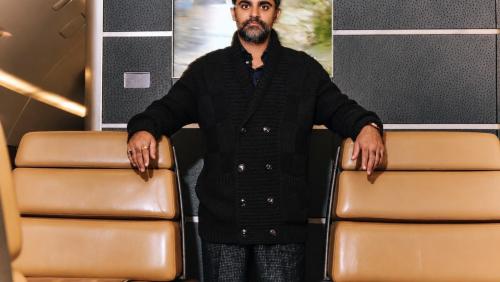
Kody had a fashion brand with real potential and a product people wanted. According to him, the brand was already generating steady monthly revenue through Meta Ads, but Google Ads felt unfamiliar compared to Meta, and Kody was unsure whether it would be the right fit for his store or worth prioritizing at the time. As a result, he focused primarily on Meta while leaving Google Ads unexplored.
That changed when ZenoX Media stepped in, built its Google Ads account from scratch, and set the whole system running. What followed wasn’t a slow build. According to Kody, the account began showing strong results within the first month. He said that over the following year, the brand generated substantial revenue through Google Ads while maintaining healthy profit margins.
The Problem Was Never the Product
Kody’s hesitation about Google Ads wasn’t unusual. Many eCommerce founders who find early success on Meta may view Google as a secondary channel rather than an immediate priority. The platforms behave differently, the intent signals work differently, and the campaign logic that succeeds on one rarely transfers directly to the other. Starting from zero on Google without a tested framework can present challenges.
ZenoX Media approached Kody’s account with that reality in mind. Rather than importing Meta campaign logic into Google, the team built an account structure specific to how Google’s algorithms read intent and allocate spend. Four clean campaigns organized by product, audience, and purchase intent replaced what could have easily become a cluttered, unmanageable account. Clarity came first. Control followed. According to ZenoX Media, establishing that structure early helped maintain cleaner data and more consistent campaign management as budgets increased.
A System Built for Speed and Profit
Fashion moves faster than most ad managers can respond. A campaign that performs well in one month can quietly drain the budget in the next as trends shift and audience behavior changes. ZenoX Media built Kody’s account to match that pace, running a rapid testing protocol that evaluated new products, audiences, and creative angles weekly rather than monthly.
The testing protocol did more than surface winners. It forced decisions. Most brands hold onto underperforming campaigns longer than they should, waiting for data that never arrives or hoping a losing campaign corrects itself. ZenoX Media cut losing campaigns within 48 hours and doubled down on anything showing confirmed performance signals. This discipline sits at the core of the agency’s Predictive KPI Signal Scaling framework: measure real statistical momentum before committing budget, rather than scaling first and absorbing the damage afterward. Product-level profitability tracking completed the picture. Kody said the reporting gave him greater visibility into which products were contributing more meaningfully to margins after expenses were considered. ZenoX Media then adjusted campaigns based on those broader profitability insights.
What the Growth Suggests
The result of this system was not a single spike followed by a plateau. According to Kody, the brand saw consistent growth through Google Ads within the first several months and continued building on that momentum throughout the year, while maintaining stable profit margins. That consistency is the detail worth examining. Anyone can produce a strong month with aggressive spending. Sustaining performance across months and product cycles requires a structure that responds to change without surrendering efficiency.
ZenoX Media’s weekly reviews and monthly strategy adjustments allowed the account strategy to adapt alongside changing market conditions. Static campaigns degrade. Dynamic ones, constantly tested and pruned, compound over time. Kody didn’t simply add another marketing channel. According to his experience, he developed one that supported the brand’s broader growth strategy, independent of the Meta activity that had previously defined his business.
According to Kody, twelve months after initially overlooking Google Ads as a priority channel, he celebrated the business’s growth by purchasing a Porsche. Not as a flex, and not as a footnote. As proof. Proof that a founder who started with no Google Ads experience, no existing account, and genuine doubt that the channel would work for his store had built something worth celebrating. The car was the most visible way to mark a year that changed the trajectory of his business. What made it possible was not luck, a favorable market, or an unusually strong product. It was a framework applied without shortcuts, a team that cut losing campaigns in 48 hours and doubled down on winners, and a decision to trust a system over instinct.
Kody stopped guessing. The Porsche followed.
Kody had a fashion brand with real potential and a product people wanted. According to him, the brand was already generating steady monthly revenue through Meta Ads, but Google Ads felt unfamiliar compared to Meta, and Kody was unsure whether it would be the right fit for his store or worth prioritizing at the time. As a result, he focused primarily on Meta while leaving Google Ads unexplored.
That changed when ZenoX Media stepped in, built its Google Ads account from scratch, and set the whole system running. What followed wasn’t a slow build. According to Kody, the account began showing strong results within the first month. He said that over the following year, the brand generated substantial revenue through Google Ads while maintaining healthy profit margins.
The Problem Was Never the Product
Kody’s hesitation about Google Ads wasn’t unusual. Many eCommerce founders who find early success on Meta may view Google as a secondary channel rather than an immediate priority. The platforms behave differently, the intent signals work differently, and the campaign logic that succeeds on one rarely transfers directly to the other. Starting from zero on Google without a tested framework can present challenges.