What If Prevention Was the Key to Cybersecurity Success?
Moving beyond reactive measures, a bold new approach to cybersecurity is reshaping how businesses protect their assets and ensure long-term stability.

ThreatAware
Opinions expressed by Entrepreneur contributors are their own.
You're reading Entrepreneur United Kingdom, an international franchise of Entrepreneur Media.
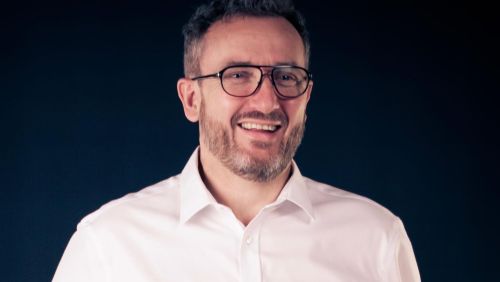
Jon Abbott and his co-founder saw a critical gap in the cybersecurity industry – businesses were spending millions on detecting breaches, but prevention was being overlooked. With London based ThreatAware, a cybersecurity company that provides threat intelligence and real-time monitoring services, they set out to challenge the status quo, offering businesses not just defense, but full protection through proactive measures. By focusing on preventing attacks before they happen, Abbott believes companies can secure not only their systems but their future.
What inspired you to start your business?
Cyberattacks are one of the biggest risks facing businesses today. The costs for cyber incidents can reach billions each year, as a result of data loss, operational downtime, legal costs and regulatory fines. That’s before we take into account the reputational damage, all of which can take years to recover from. I knew that even though businesses were investing considerably in cybersecurity, the industry was too focussed on breach detection rather than prevention. It’s a reactive approach, which is both ineffective and costly. If I see a problem I can fix, I always try to, and I knew there had to be a better way, which was why I founded ThreatAware. I could see the positive impact of ensuring businesses had 100% visibility of the security of their devices to ensure they are safe from attack.
What was the biggest challenge you faced in the early stages?
One of the toughest challenges I faced in the early stages of ThreatAware was realising that we needed to shift our ideal customer profile (ICP) from SMB to Enterprise (1,000 employees and above) and refocus the product offering entirely on endpoint solutions – tools designed to protect user devices such as your laptop or a corporate server. Such a fundamental shift is especially difficult – it’s a risk – and you often don’t know if it was the right decision until much later down the line. During periods of slower growth, maintaining belief in the business and remaining resilient, despite all the odds, was also incredibly tough. Unless you’ve been through these times, it’s hard to fully appreciate just how challenging it can be when success feels uncertain.
Related: The Silent Victims of Cybercrime: How One Startup is Tackling a Growing Crisis
How has the UK’s economic environment impacted your business decisions?
We are fortunate that we address a critical issue that all businesses face, cybersecurity, which means demand has remained strong during the current economic environment. We also have international clients, which helps us to stay resilient against local economic fluctuations. Steve Thomson, my co-founder, and I launched our first business in January 2008, at the height of the financial crisis, so we’re no strangers to tough economic circumstances. I believe that if you can grow a business in a challenging market, you’re well positioned to fly when the economic winds change.
How do you stay ahead of industry trends and innovate within your field?
I stay ahead of trends by constantly reading, learning, listening and trying to consider what might come next. For example, in our industry we’re currently seeing a divide between security and infrastructure teams, and this is problematic as it allows security gaps to present within an organisation. At ThreatAware, we’re committed to closing these gaps and ensuring our clients and their business assets are wholly protected. Our team continuously analyses emerging cyber risks like these and we regularly brainstorm innovative ways to tackle them and stay ahead of the curve. We also maintain and adhere to strict in-house design principles to ensure everything we develop maintains the unique identity and effectiveness of ThreatAware. The entire team shares this mindset and our collaborative approach helps us to build on each other’s ideas. It’s a continuous and energising process that works, and it’s what we love doing!”
What steps do you take to build a strong company culture?
A strong company culture starts with clearly defining the values you believe will drive success and being selective about who you hire, to ensure those values are upheld. This, in my opinion, is the most critical step. If you hire people who share the same values and attitudes, a great culture will form naturally. Hiring the right people can be easier said than done, however. When you urgently need to fill a role, it can be tempting to settle for the next available candidate, but finding the right fit is critical. The strength of your team determines the strength of your culture.
What advice would you give to someone thinking about starting a business in the UK today?
I genuinely appreciate the business culture in the UK and feel that it’s a great place to start and build a company. We strike a great balance between working and living, can offer lots of opportunities and are lucky to have incredible talent. My advice to someone starting a business here would be to take full advantage of the support available. There are excellent government schemes, funding opportunities and accelerator programmes designed to help startups get off the ground. For example, ThreatAware was part of LORCA, a government-backed accelerator, which was a fantastic experience and played a crucial role in helping us thrive. Other initiatives such as Innovate UK grants, the Startups Loan Scheme and regional growth hubs provide invaluable funding, mentorship and networking opportunities.
Of course, starting any business comes with challenges but for me, the UK’s business environment wasn’t one of them. The real test lies in designing a great product, delivering outstanding service to clients and nurturing a team that is proud to work with you and enjoys what they do. If you can achieve this, you’ll set yourself up for success, wherever you are.
Related: The Top 5 Phishing Trends Businesses Need to Know in 2025
Jon Abbott and his co-founder saw a critical gap in the cybersecurity industry – businesses were spending millions on detecting breaches, but prevention was being overlooked. With London based ThreatAware, a cybersecurity company that provides threat intelligence and real-time monitoring services, they set out to challenge the status quo, offering businesses not just defense, but full protection through proactive measures. By focusing on preventing attacks before they happen, Abbott believes companies can secure not only their systems but their future.
What inspired you to start your business?
Cyberattacks are one of the biggest risks facing businesses today. The costs for cyber incidents can reach billions each year, as a result of data loss, operational downtime, legal costs and regulatory fines. That’s before we take into account the reputational damage, all of which can take years to recover from. I knew that even though businesses were investing considerably in cybersecurity, the industry was too focussed on breach detection rather than prevention. It’s a reactive approach, which is both ineffective and costly. If I see a problem I can fix, I always try to, and I knew there had to be a better way, which was why I founded ThreatAware. I could see the positive impact of ensuring businesses had 100% visibility of the security of their devices to ensure they are safe from attack.
What was the biggest challenge you faced in the early stages?
One of the toughest challenges I faced in the early stages of ThreatAware was realising that we needed to shift our ideal customer profile (ICP) from SMB to Enterprise (1,000 employees and above) and refocus the product offering entirely on endpoint solutions – tools designed to protect user devices such as your laptop or a corporate server. Such a fundamental shift is especially difficult – it’s a risk – and you often don’t know if it was the right decision until much later down the line. During periods of slower growth, maintaining belief in the business and remaining resilient, despite all the odds, was also incredibly tough. Unless you’ve been through these times, it’s hard to fully appreciate just how challenging it can be when success feels uncertain.