Catalysing Breakthrough Biology
Katya Smirnyagina, Senior Partner for Life Sciences at Oxford Science Enterprises, shares her guidance for first-time fundraisers, the criteria she uses to assess emerging therapeutics ventures, and the scientific shifts accelerating innovation.
Life Sciences at Oxford Science Enterprises
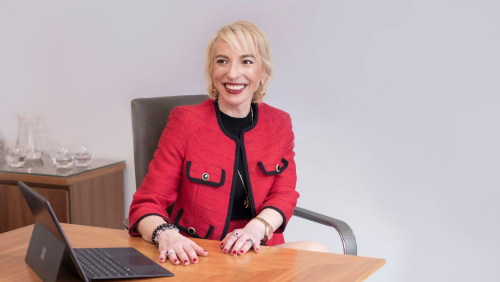
Katya Smirnyagina, Senior Partner leading Life Sciences at Oxford Science Enterprises
Opinions expressed by Entrepreneur contributors are their own.
You're reading Entrepreneur United Kingdom, an international franchise of Entrepreneur Media.
As Senior Partner leading Life Sciences at Oxford Science Enterprises, Katya Smirnyagina works with founders translating cutting-edge scientific discovery into future medicines. With extensive experience in early-stage biotech investing, she brings a sharp focus to what makes a company compelling – from clarity of proposition to the strength of the team and intellectual property. In this Q&A, Katya explains what founders must nail before raising their first round, how she evaluates young life sciences companies, and how to turn an investor’s “no” into a constructive, long-term relationship. She also reflects on the forces reshaping the industry – from advances in genomics and delivery technologies to the globalisation of scientific teams – while noting that OSE’s newest investments remain in stealth as they prepare their breakthrough IP.
What are the top three things founders should focus on when preparing to raise their first round of funding?
Founders should focus on three essentials. First, craft a clear business proposition with sharp, high-quality presentation materials. If you can’t explain what you do succinctly, investors won’t engage. Second, avoid the shotgun approach; target investors whose investment criteria align with your ask. Third, prepare thoroughly: understand each investor’s background track record and be ready to discuss both your science and business model in depth.”
When evaluating early-stage start-ups, what key factors do you prioritise?
We prioritise three things. First, the business proposition – does it address a high unmet medical need and create meaningful patient and commercial value? Second, the founding team – not just the scientists but also the entrepreneurial leaders who can execute a plan. Third, the IP position or potential for one.
How should founders handle a “no” from an investor? What’s the best way to build long-term relationships, even if they don’t secure investment straight away?
The best response to rejection is gratitude; thank investors for their time and feedback. Then, keep them updated as you hit major milestones. Demonstrating execution builds credibility and maintains dialgoue. Finally, keep the door open where you can be of help to their network or portfolio. Venture is a two-way street, and goodwill builds lasting relationships.
What start-up sector or trend excites you the most at the moment, and why?
I am tremendously excited by the current wave of innovation, driven by three factors. The huge advances to address high unmet medical needs, especially in areas previously considered untreatable, are genuinely revolutionary. This is coupled with the accelerated pace of progress being made in areas like genomics and targeted delivery. Finally, the globalisation of the industry, where teams can work virtually across continents, is enabling the best talent to combine forces, accelerating the path from lab discovery to patient therapy.
Which three start-ups that you funded this year excite you the most, and why?
I can’t comment on our newest investments – they’re all in stealth mode, which is not unusual for early-stage life sciences companies protecting early discovery ahead of patent filings.
As Senior Partner leading Life Sciences at Oxford Science Enterprises, Katya Smirnyagina works with founders translating cutting-edge scientific discovery into future medicines. With extensive experience in early-stage biotech investing, she brings a sharp focus to what makes a company compelling – from clarity of proposition to the strength of the team and intellectual property. In this Q&A, Katya explains what founders must nail before raising their first round, how she evaluates young life sciences companies, and how to turn an investor’s “no” into a constructive, long-term relationship. She also reflects on the forces reshaping the industry – from advances in genomics and delivery technologies to the globalisation of scientific teams – while noting that OSE’s newest investments remain in stealth as they prepare their breakthrough IP.
What are the top three things founders should focus on when preparing to raise their first round of funding?
Founders should focus on three essentials. First, craft a clear business proposition with sharp, high-quality presentation materials. If you can’t explain what you do succinctly, investors won’t engage. Second, avoid the shotgun approach; target investors whose investment criteria align with your ask. Third, prepare thoroughly: understand each investor’s background track record and be ready to discuss both your science and business model in depth.”
When evaluating early-stage start-ups, what key factors do you prioritise?
We prioritise three things. First, the business proposition – does it address a high unmet medical need and create meaningful patient and commercial value? Second, the founding team – not just the scientists but also the entrepreneurial leaders who can execute a plan. Third, the IP position or potential for one.

Patricia Cullen • Features Writer
Entrepreneur Staff