Facing the Future
Addressing workforce anxiety around AI adoption in manufacturing
Shutterstock
Opinions expressed by Entrepreneur contributors are their own.
You're reading Entrepreneur United Kingdom, an international franchise of Entrepreneur Media.
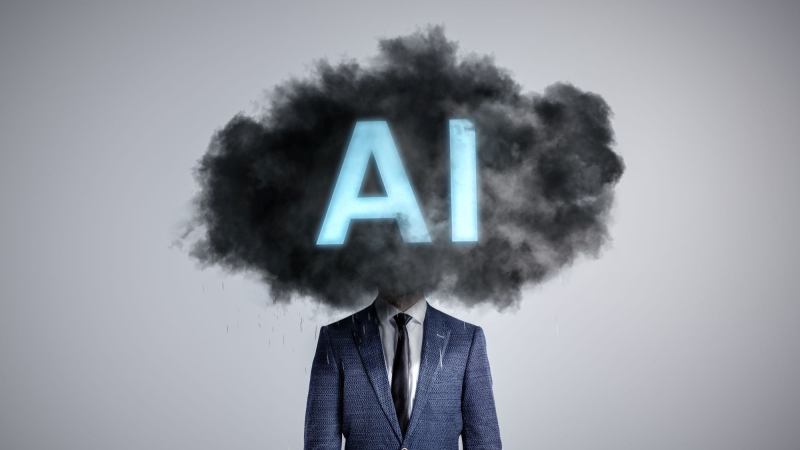
As artificial intelligence (AI) begins to reshape frontline industries, leaders in manufacturing and operations are grappling with a new challenge: how to implement AI responsibly while addressing growing anxiety among workers. From fears of job displacement on the factory floor to uncertainty about safety, ethics, and transparency, employee concerns are real, and if left unaddressed, they risk undermining the very benefits AI is designed to deliver. This sentiment is reflected in an upcoming survey by UKG of frontline workers’ views on working with AI.
Recent reports say that while many employees already interact with AI-driven systems in scheduling, robotics, and quality control, a significant portion remain uneasy about its long-term impact. These concerns are not unfounded. AI is poised to transform roles, responsibilities, and workflows across manufacturing plants, warehouses, and production lines. With the right strategy, organisations can turn anxiety into engagement and resistance into resilience.
From Disruption to Dialogue
AI is not entirely new to frontline work. For decades, technology has powered predictive maintenance, process automation, supply chain optimisation, and safety monitoring. What’s changing now is how accessible and visible these systems have become. Today, generative AI and advanced machine learning tools can be used by supervisors and frontline workers alike to help spot production issues, adjust schedules, or flag safety risks in real time.
This shift is powerful. It can empower frontline employees with faster insights and more efficient workflows. Yet workers need to understand not just what AI does, but why it’s being introduced, how it supports their safety and productivity, and what safeguards are in place to protect their jobs and wellbeing.
Transparency is vital. Organisations that clearly communicate the purpose and benefits of AI are more likely to foster trust and improve adoption rates. This means being open about how AI-driven systems are trained, what data they use, and how they affect decisions around efficiency, quality, and workforce planning. When frontline workers feel informed and involved, they’re far more likely to embrace new technology.
Embedding Trust Into Your AI Strategy
Addressing workforce anxiety isn’t just about communication, it’s about culture. AI must be introduced in a way that aligns with company values and supports employee wellbeing. That begins with a commitment to ethical standards. Safety, fairness, transparency, and inclusiveness should guide every implementation.
Equally important, managers should ensure AI augments human capability rather than replaces it. On the production floor, AI can reduce burnout by taking on repetitive monitoring tasks, flagging equipment issues before they become hazards, and easing scheduling burdens. According to the upcoming UKG survey on frontline workers and AI, 41% of frontline employees who use AI at work report lower levels of burnout, compared to 54% of those who do not use AI.
In this way, AI can enhance productivity while also protecting safety and work-life balance. When employees see AI as a tool that helps them succeed rather than a threat to their livelihood, adoption becomes much smoother.
Creating Space for Feedback
AI adoption should be a collaborative process. Workers must feel their voices are heard and their concerns respected. That means creating ongoing feedback loops. Listening sessions, shop floor surveys, and team forums allow employees to raise concerns about automation, workflow changes, or retraining needs without fear of judgment.
Involving workers in testing and refining new tools is equally important. When frontline employees are part of pilot programs, whether trialing a new quality control AI or helping shape predictive maintenance dashboards, it improves usability and fosters buy-in.
Supporting Employees Through Change
Reducing workforce anxiety around AI requires tangible support. As jobs evolve, employees need opportunities to adapt and grow. Upskilling and reskilling initiatives, such as training in AI-enabled equipment, data interpretation, or advanced maintenance techniques, are essential.
Career development must also be part of the conversation. AI can help map skill gaps and recommend training pathways, ensuring that workers see a future for themselves in a more automated environment. Recognising that AI adoption is not just a technical shift, but a human one is key.
A Smarter Way Forward
Workforce anxiety around AI in manufacturing is not inevitable, but it must be actively managed. Leaders must prioritise transparency, invest in training, and embed AI into organisational culture with a people-first approach. Just as importantly, they must listen to workers with empathy and act on their feedback.
The future of frontline work is not about replacing people, but about empowering them to work more safely, more efficiently, and with greater resilience. AI is already reshaping manufacturing. What matters now is ensuring those changes benefit everyone. With the right strategy and mindset, organisations can transform AI from a source of anxiety into a catalyst for growth, safety, human potential, and even engagement.
As artificial intelligence (AI) begins to reshape frontline industries, leaders in manufacturing and operations are grappling with a new challenge: how to implement AI responsibly while addressing growing anxiety among workers. From fears of job displacement on the factory floor to uncertainty about safety, ethics, and transparency, employee concerns are real, and if left unaddressed, they risk undermining the very benefits AI is designed to deliver. This sentiment is reflected in an upcoming survey by UKG of frontline workers’ views on working with AI.
Recent reports say that while many employees already interact with AI-driven systems in scheduling, robotics, and quality control, a significant portion remain uneasy about its long-term impact. These concerns are not unfounded. AI is poised to transform roles, responsibilities, and workflows across manufacturing plants, warehouses, and production lines. With the right strategy, organisations can turn anxiety into engagement and resistance into resilience.
From Disruption to Dialogue
AI is not entirely new to frontline work. For decades, technology has powered predictive maintenance, process automation, supply chain optimisation, and safety monitoring. What’s changing now is how accessible and visible these systems have become. Today, generative AI and advanced machine learning tools can be used by supervisors and frontline workers alike to help spot production issues, adjust schedules, or flag safety risks in real time.

Russell Howe • Group Vice President
Russell Howe, Group Vice President, EMEA at UKG