Cybersecurity Without the Guesswork
ThreatLocker CEO Danny Jenkins talks ransomware-as-a-service, the power of deny-by-default, and why simplicity is the future of cybersecurity.
ThreatLocker
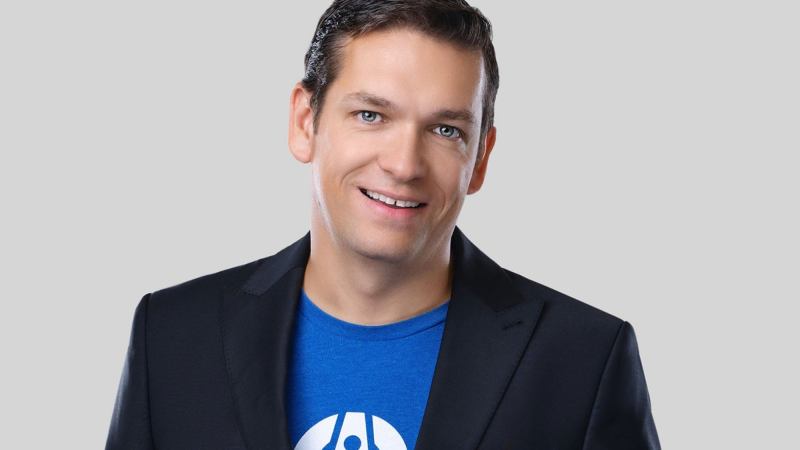
ThreatLocker, CEO, Danny Jenkins
Opinions expressed by Entrepreneur contributors are their own.
You're reading Entrepreneur United Kingdom, an international franchise of Entrepreneur Media.
With cyberattacks becoming faster, smarter, and cheaper to launch – thanks to generative AI and ransomware-as-a-service – traditional detection-first strategies are no longer enough. Danny Jenkins, CEO and co-founder of ThreatLocker, believes it’s time for a shift. Ahead of DTX 2025, Jenkins shares how ThreatLocker is putting Zero Trust into action, what the biggest risks are in 2026, and why simplifying security may be the most effective move organisations can make today.
1. What will ThreatLocker be showcasing at DTX 2025?
Seamus Lennon our VP of Operations EMEA will be running presentations on the stand throughout the event. The presentations include:
Rubber Ducky Challenge – Risk of data loss and operational disruption can stem from more than the ransomware in news headlines. Witness a live hacking demonstration of a common-looking USB device and learn about physical and digital methods of control to minimize data exfiltration.
Simplifying Cybersecurity – As cybersecurity has grown more complex with escalating threats and consequences, revisiting the fundamentals takes extra importance. Join ThreatLocker VP of Operations EMEA, Seamus Lennon as he cuts through the noise to what matters most for practical and effective security. We’ll explore simple things you can do to stop cyberattacks so you can better protect your organization today.
2. How does ThreatLocker help protect organisations in today’s increasingly hostile cyber landscape?
ThreatLocker helps organizations implement Zero Trust in a practical way. With AI-driven malware exploding, detecting and blocking every bad file is impossible. Instead, deny by default, allow by exception. It’s easier to track what you need than what you don’t. We also track over 10,000 built-in applications, making allowlisting achievable and scalable.
3. How is ransomware evolving, and how does ThreatLocker help organisations stay ahead of the threat?
Ransomware-as-a-service (RaaS) and AI-generated ransomware are two of the main ways that ransomware has recently changed. This has made ransomware more accessible than ever before. Some RaaS vendors even have no upfront cost, they just take a portion of each ransomware payment. ThreatLocker helps organisations stay ahead of these threats by denying by default, allowing by exception. There’s no need to chase every new threat.
4. With the rise of AI-driven attacks, how is ThreatLocker responding to these threats?
Generative AI has made phishing attacks much easier and much more believable than ever before. That’s why ThreatLocker released Cloud Control to combat token theft and phishing attacks. For endpoint protection, ThreatLocker doesn’t have to respond to every new threat. That’s the advantage of Zero Trust. By only allowing what’s needed and blocking everything else by default, there is no need to chase the latest threats.
5. What cyber threats do you see as the biggest risks to businesses in 2026?
AI-driven phishing attacks and ransomware are two of the biggest risks to businesses in 2026. When companies focus on detecting what’s bad and try to stop it instead of only allowing what’s needed, there’s bound to be some ransomware that slips through.
With cyberattacks becoming faster, smarter, and cheaper to launch – thanks to generative AI and ransomware-as-a-service – traditional detection-first strategies are no longer enough. Danny Jenkins, CEO and co-founder of ThreatLocker, believes it’s time for a shift. Ahead of DTX 2025, Jenkins shares how ThreatLocker is putting Zero Trust into action, what the biggest risks are in 2026, and why simplifying security may be the most effective move organisations can make today.
1. What will ThreatLocker be showcasing at DTX 2025?
Seamus Lennon our VP of Operations EMEA will be running presentations on the stand throughout the event. The presentations include:
Rubber Ducky Challenge – Risk of data loss and operational disruption can stem from more than the ransomware in news headlines. Witness a live hacking demonstration of a common-looking USB device and learn about physical and digital methods of control to minimize data exfiltration.
Simplifying Cybersecurity – As cybersecurity has grown more complex with escalating threats and consequences, revisiting the fundamentals takes extra importance. Join ThreatLocker VP of Operations EMEA, Seamus Lennon as he cuts through the noise to what matters most for practical and effective security. We’ll explore simple things you can do to stop cyberattacks so you can better protect your organization today.
2. How does ThreatLocker help protect organisations in today’s increasingly hostile cyber landscape?
ThreatLocker helps organizations implement Zero Trust in a practical way. With AI-driven malware exploding, detecting and blocking every bad file is impossible. Instead, deny by default, allow by exception. It’s easier to track what you need than what you don’t. We also track over 10,000 built-in applications, making allowlisting achievable and scalable.