One Founder. One Problem. One Lesson.
Building tailored software for critical physical operations means rethinking corporate tech – because productivity challenges here are unlike anywhere else.
Opinions expressed by Entrepreneur contributors are their own.
You're reading Entrepreneur United Kingdom, an international franchise of Entrepreneur Media.
The spark
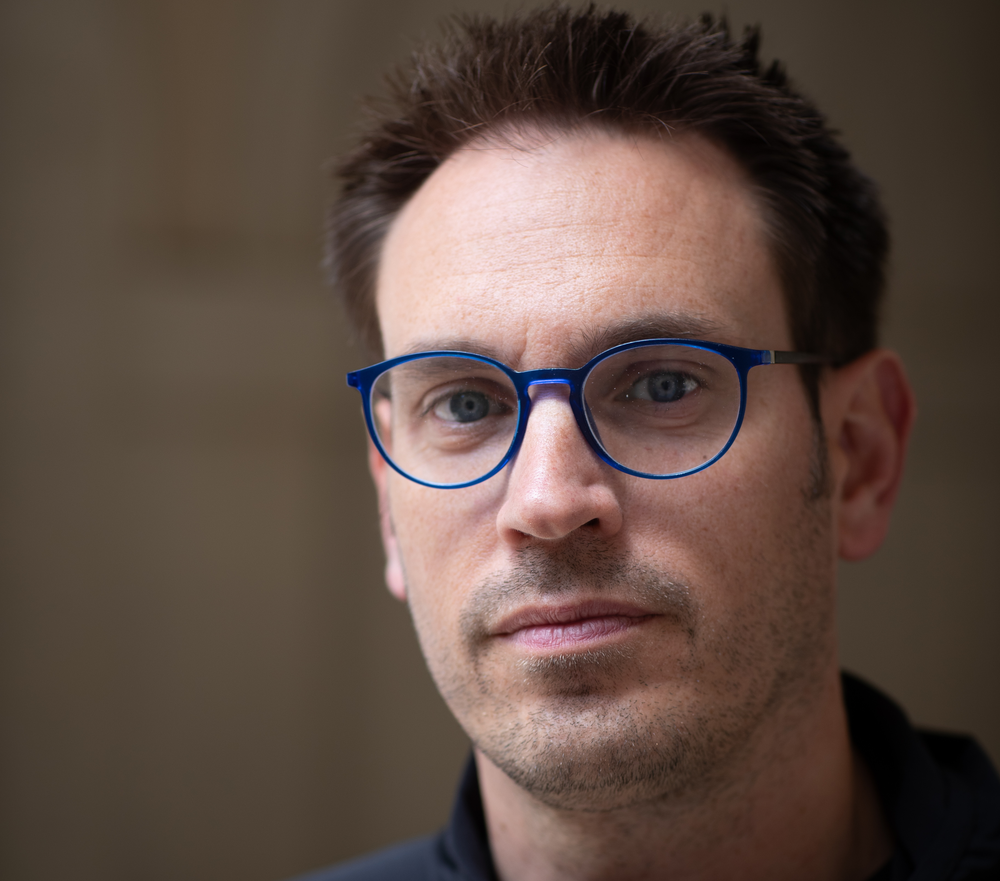
Ben Peters, CEO and co-founder of London based Cogna, an AI and machine learning company didn’t set out to disrupt. He set out to fix something broken. “I grew tired of seeing essential services falter,” he says. “Politics tinkers at the edges, but productivity is what truly moves the needle.” Across physical industries – transport, logistics, infrastructure – digital transformation often stalls. Not for lack of ambition, but because generic tools can’t stretch to fit messy, local realities. “Their operations depend on countless, messy ‘local’ processes, and off-the-shelf software can’t flex to that complexity. As a result, digitisation often stalls.” Cogna was built to meet that complexity head-on. To design software shaped to real-world workflows – and support it like infrastructure. “Advances in generative AI make this possible, but no large language model can solve it alone. Building reliable tools that underpin critical operations is a technically demanding challenge.”
The blocker
What Cogna found early wasn’t just technical friction – it was organisational tension. “Operations want results in weeks, while IT must guard against breaches, outages, and runaway complexity,” Peters says. Speed without trust led to what IT feared most: shadow tech. Even good tools got sidelined if they couldn’t meet enterprise standards. Add brittle legacy systems and decade-old procurement habits, and the stack itself became a blocker. “To succeed, we had to show fast business value and lower risk for the CIO.”
The breakthrough
Treat the infrastructure with as much care as the interface. Codify control, auditability, integration – and build for trust from day one. “We built strong foundations from day one – ISO 27001, SOC 2, Cyber Essentials – and made sure we were building for the CIO as much as the COO.” Quick wins weren’t enough. The system had to be visible, recoverable, and secure by design. “Every app comes with observability, so you can see what ran, what failed, and why.” That’s when the work stopped being project-based – and started being product-based.
The principle
“Solve the whole problem,” Peters says. “The bottleneck is rarely the shiny new optimiser; it’s usually the messy job of mapping processes, resources, and constraints so software can act on them.” Cogna’s playbook isn’t radical. It’s rigorous. Ship early. Observe the user. Build for dependability – not for demo day. “Reliability and support aren’t afterthoughts – they’re the foundation for continuous improvement. Being depended on by customers to solve problems they truly care about creates an urgent, purposeful culture that’s hard to beat.”
The spark
Ben Peters, CEO and co-founder of London based Cogna, an AI and machine learning company didn’t set out to disrupt. He set out to fix something broken. “I grew tired of seeing essential services falter,” he says. “Politics tinkers at the edges, but productivity is what truly moves the needle.” Across physical industries – transport, logistics, infrastructure – digital transformation often stalls. Not for lack of ambition, but because generic tools can’t stretch to fit messy, local realities. “Their operations depend on countless, messy ‘local’ processes, and off-the-shelf software can’t flex to that complexity. As a result, digitisation often stalls.” Cogna was built to meet that complexity head-on. To design software shaped to real-world workflows – and support it like infrastructure. “Advances in generative AI make this possible, but no large language model can solve it alone. Building reliable tools that underpin critical operations is a technically demanding challenge.”
The blocker
What Cogna found early wasn’t just technical friction – it was organisational tension. “Operations want results in weeks, while IT must guard against breaches, outages, and runaway complexity,” Peters says. Speed without trust led to what IT feared most: shadow tech. Even good tools got sidelined if they couldn’t meet enterprise standards. Add brittle legacy systems and decade-old procurement habits, and the stack itself became a blocker. “To succeed, we had to show fast business value and lower risk for the CIO.”
The breakthrough
Treat the infrastructure with as much care as the interface. Codify control, auditability, integration – and build for trust from day one. “We built strong foundations from day one – ISO 27001, SOC 2, Cyber Essentials – and made sure we were building for the CIO as much as the COO.” Quick wins weren’t enough. The system had to be visible, recoverable, and secure by design. “Every app comes with observability, so you can see what ran, what failed, and why.” That’s when the work stopped being project-based – and started being product-based.