A Different Read
Turning lived experience into a business that puts people — not labels — first.
Opinions expressed by Entrepreneur contributors are their own.
You're reading Entrepreneur United Kingdom, an international franchise of Entrepreneur Media.
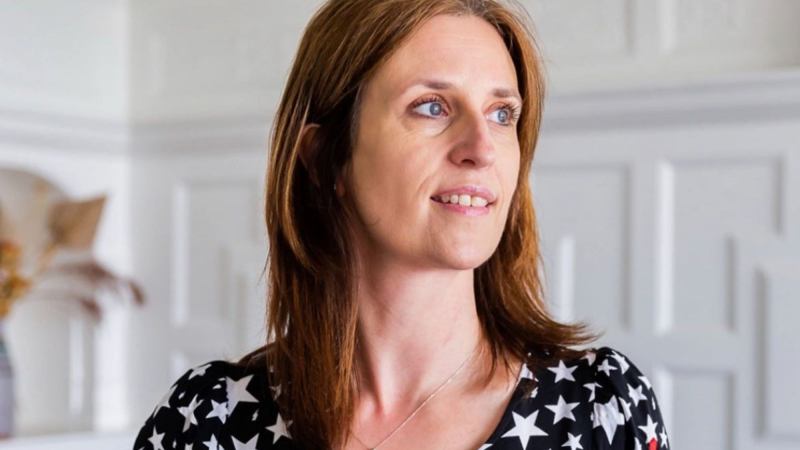
When Laura Gowers walked away from the safety net of a full-time salary to start her business, she wasn’t simply chasing a dream – she was answering a need. “One of the biggest challenges was stepping away from the security of a full-time salary and navigating the uncertainty of self-employment,” she says. Her venture, Whitstable based This is Dyslexia, has since become a growing force in diagnosis and support services across the UK, offering practical help and advocacy for people with dyslexia – a condition she feels is still widely misunderstood.
Her path wasn’t without stumbles. Like many first-time founders, Gowers was quickly faced with the reality that having a great idea is just one small part of running a business. “I had to quickly develop skills outside my original profession, such as marketing, finance, customer service and tech,” she explains. “To overcome this, I invested time in learning, sought support from mentors and online communities and reminded myself that I was capable and had the skills to be successful.” That sense of capability – and clarity – would become vital. “Building a clear plan, celebrating small wins and maintaining a strong sense of why helped me stay resilient,” she says. Her “why” is deeply personal, rooted in a belief that diagnosis and support for dyslexia shouldn’t be a postcode lottery or a luxury reserved for the few.
In the early days, Gowers spent less time pitching and more time listening. “I listened carefully to the pain points people were sharing, both online and in person,” she recalls. “Rather than assuming I knew what they needed, I paid attention to the language they used and the challenges they voiced.” That insight helped shape services people genuinely needed, and it laid the foundation for trust – something Gowers describes as key to her business’s growth. “I wasn’t afraid to start small – offering webinars, free resources and going into memberships helped me build trust, which then led to more opportunities.”
Today, the start-up world is awash with talk of grit and growth, but Gowers is candid about the importance of awareness – particularly of the support that already exists. “I wish I had known just how much free support and funding is available, especially for early-stage businesses,” she says. “There are fantastic local enterprise partnerships, start-up hubs and free training schemes that can make a real difference. However, this support isn’t always well advertised, you have to proactively seek it out.” That spirit of proactive learning, of seeking connection, underpins the advice she now offers to other new founders navigating the UK’s start-up landscape: “Get comfortable with being uncomfortable. Growth happens when you step outside your comfort zone and the early days are often a rollercoaster.”
Still, she’s quick to remind others that even the most capable people need support. “Build a strong support network around you, whether that’s mentors, fellow founders, friends or professional groups and don’t be afraid to ask for help,” she says. “You don’t have to do it all alone and often, the connections you make will open doors you didn’t even know existed.”
When Laura Gowers walked away from the safety net of a full-time salary to start her business, she wasn’t simply chasing a dream – she was answering a need. “One of the biggest challenges was stepping away from the security of a full-time salary and navigating the uncertainty of self-employment,” she says. Her venture, Whitstable based This is Dyslexia, has since become a growing force in diagnosis and support services across the UK, offering practical help and advocacy for people with dyslexia – a condition she feels is still widely misunderstood.
Her path wasn’t without stumbles. Like many first-time founders, Gowers was quickly faced with the reality that having a great idea is just one small part of running a business. “I had to quickly develop skills outside my original profession, such as marketing, finance, customer service and tech,” she explains. “To overcome this, I invested time in learning, sought support from mentors and online communities and reminded myself that I was capable and had the skills to be successful.” That sense of capability – and clarity – would become vital. “Building a clear plan, celebrating small wins and maintaining a strong sense of why helped me stay resilient,” she says. Her “why” is deeply personal, rooted in a belief that diagnosis and support for dyslexia shouldn’t be a postcode lottery or a luxury reserved for the few.
In the early days, Gowers spent less time pitching and more time listening. “I listened carefully to the pain points people were sharing, both online and in person,” she recalls. “Rather than assuming I knew what they needed, I paid attention to the language they used and the challenges they voiced.” That insight helped shape services people genuinely needed, and it laid the foundation for trust – something Gowers describes as key to her business’s growth. “I wasn’t afraid to start small – offering webinars, free resources and going into memberships helped me build trust, which then led to more opportunities.”