From a Rented Van to a £20m Powerhouse
From overnight packing runs to landing Whole Foods and Ocado, Carl Saxton-Pizzie built Wholegood on a mission to fix the food system from the inside out.
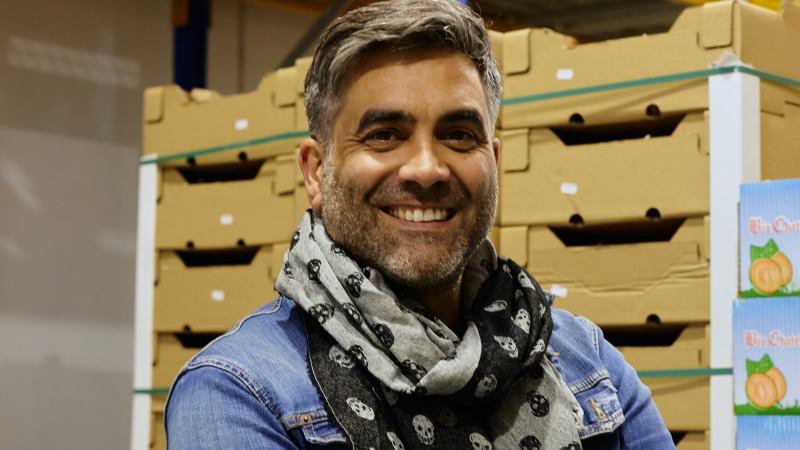
Wholegood
Carl Saxton-Pizzie, founder, Wholegood
Opinions expressed by Entrepreneur contributors are their own.
You're reading Entrepreneur United Kingdom, an international franchise of Entrepreneur Media.
In 2007, Carl Saxton-Pizzie was hand-packing organic fruit and veg in the dead of night, delivering from a rented van with a vision far bigger than his warehouse. Today, his Greenford based company Wholegood is a £20m fresh produce wholesaler supplying giants like Ocado, Gail’s, and Whole Foods. But scaling wasn’t just about volume – it was about holding onto the values that made Wholegood different. “There was a better way to source and sell food,” he says. “One that respected the growers, the environment, and the customer.” Here’s how he built it – and what he’s learned about failure, focus, and the real cost of chasing revenue without margin. Entrepreneur UK finds out more…
What inspired you to start your business?
I started Wholegood because I genuinely believed there was a better way to source and sell food. One that respected the growers, the environment, and the customer. Back in 2007, organic produce was either overpriced or poorly presented. I saw a gap: beautiful, responsibly sourced fruit and veg that people would actually want to buy. I was selling fruit and veg from a rented van, picking and packing everything myself through the night, but I was obsessed with changing the food system from the inside out.
What was your biggest challenge and how did you overcome it?
The biggest challenge was scaling without losing what made Wholegood unique. As we grew, it became harder to hold on to the things that helped us stand out. Our culture, provenance, customer service. We overcame it by getting laser-focused: better systems, better hiring, better margins, and ruthless prioritisation. Not everything can be a priority, So I had to work out what actually mattered and double down on that, bit by bit.
How did you secure your initial funding?
I didn’t come from money. The first version of Wholegood was built on grit, not capital. I secured seed funding from a friend about 9 months after I started to allow me to move into a slightly larger warehouse. Until we were in a place to access larger lines of credit and external investment. In those early days, our biggest resource was belief and relentless execution, not really cash.
How do you handle failure or setbacks?
By not making them mean too much. A failed product line, a bad hire, a supply chain problem, it all hurts but you can’t build anything meaningful without failing pretty often. I did find that really hard over the first few years, I took every failure very personally but it is very important to move on quickly, we seem to be really bad at excepting failure in the UK, it’s like it has a shame attached to it but you are only failing because you are trying, it’s easy to not fail if you just stay in bed, at least you are getting off your arse and trying. This needs to be celebrated a lot more.
What advice would you give to someone hoping to scale up their UK based business to an annual revenue to £5m?
Know your margins inside-out and don’t chase turnover at the expense of profitability £5m in revenue with no margin is just vanity. I made this mistake a lot! Focus on building a product or service that people actually want and then simplify the hell out of everything else, operations, team structure, pricing. Start small but plan for scale. And don’t wait for perfection, ever, just learn and improve.
In 2007, Carl Saxton-Pizzie was hand-packing organic fruit and veg in the dead of night, delivering from a rented van with a vision far bigger than his warehouse. Today, his Greenford based company Wholegood is a £20m fresh produce wholesaler supplying giants like Ocado, Gail’s, and Whole Foods. But scaling wasn’t just about volume – it was about holding onto the values that made Wholegood different. “There was a better way to source and sell food,” he says. “One that respected the growers, the environment, and the customer.” Here’s how he built it – and what he’s learned about failure, focus, and the real cost of chasing revenue without margin. Entrepreneur UK finds out more…
What inspired you to start your business?
I started Wholegood because I genuinely believed there was a better way to source and sell food. One that respected the growers, the environment, and the customer. Back in 2007, organic produce was either overpriced or poorly presented. I saw a gap: beautiful, responsibly sourced fruit and veg that people would actually want to buy. I was selling fruit and veg from a rented van, picking and packing everything myself through the night, but I was obsessed with changing the food system from the inside out.
What was your biggest challenge and how did you overcome it?
The biggest challenge was scaling without losing what made Wholegood unique. As we grew, it became harder to hold on to the things that helped us stand out. Our culture, provenance, customer service. We overcame it by getting laser-focused: better systems, better hiring, better margins, and ruthless prioritisation. Not everything can be a priority, So I had to work out what actually mattered and double down on that, bit by bit.